

This project was managed through a collaborative effort between leading research institutes across Europe, bringing together multidisciplinary expertise.
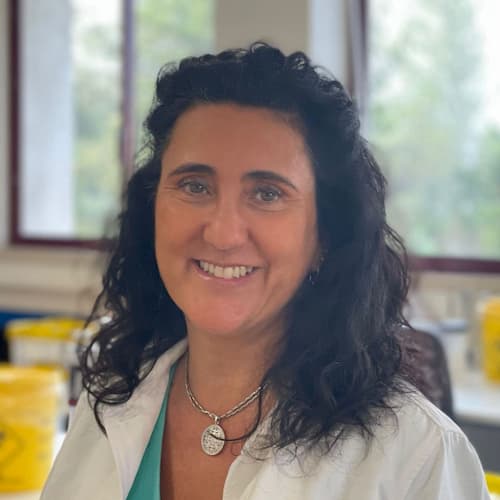
Professor National Institute of Health Dr. Ricardo Jorge (INSA) - Portugal

Instituto Nacional de Saude Dr. Ricardo Jorge (INSA)

Principal Investigator, University of Helsinki / Chief Scientific Officer, Moncyte Ltd. - Helsinki, Finland

Helsingin Yliopisto (HY)
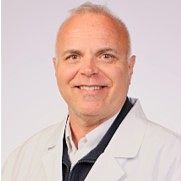
Professor, Université de La Réunion - Inserm - La Réunion
Inserm - National Institute of Health and Medical Research
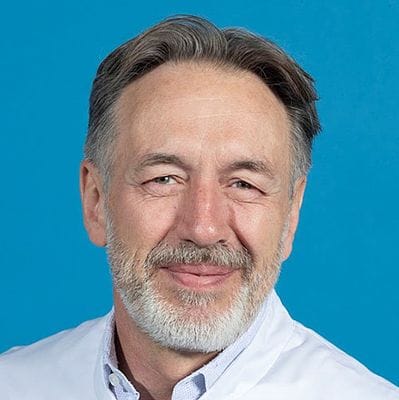
Professor of Vascular Medicine/ Internal Medicine - Netherlands

Erasmus University Medical Center (Erasmus MC)
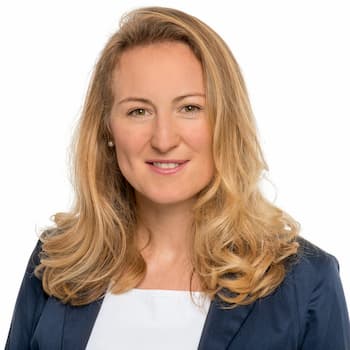
Chief Executive Officer, FH Europe Foundation - Netherlands

Stichting FH Europe Foundation (FHEF)

Project Leader
Professor National Institute of Health Dr. Ricardo Jorge (INSA)
Portugal
Mafalda Bourbon is a senior researcher at the National Institute of Health, Portugal (INSA) and a research and invited professor at Biosystems & Integrative Sciences Institute (BioISI), Faculty of Sciences, University of Lisbon. She completed her PhD in Clinical Sciences in 2006 at Imperial College Faculty of Medicine - Hammersmith Campus. She is the Chair of the Familial Hypercholesterolaemia Variant Curation Expert Panel at Clinical Genome Resource and the National lead Investigator of 2 international FH registries (FH Studies Collaboration and International Children FH Registry). MB is also part of the Public Health Group at FH Europe Foundation. She is a board member of the Iberoamerican FH network and is part of the Scientific Committee of the Portuguese Atherosclerosis Society.
Her main field of research is genetic dyslipidaemia with a special focus on Familial Hypercholesterolaemia (FH). Her laboratory develops and applies methods to identify, functionally characterise and interpret variants found in patients with clinical diagnosis of FH and other dyslipidemias. MB also develops work in the area of cardiovascular prevention and cardiovascular risk, developing population-based studies in cardiovascular risk factors, in genetic dyslipidemias and monogenic diabetes. MB is founder and coordinator of the Portuguese Familial Hypercholesterolaemia Study (1999-present), the Rare Dyslipidaemia Study (2012-present) and the Molecular Study of Monogenic Diabetes (2015-present). She has published more than 70 international scientific journal articles and 3 book chapters.
Principal Investigator, University of Helsinki / Chief Scientific Officer, Moncyte Ltd.
Helsinki, Finland
Simon Pfisterer’s research group combines laboratory automation with cell biology, elucidating how genetic variants contribute to biological variability and how biological variability links to disease progression and treatment outcomes in dyslipidaemia and cardiovascular disease. With this approach he aims to disentangle the genetic complexity of dyslipidaemia and develop novel tools to improve the diagnosis and treatment of familial hypercholesterolaemia.
Besides performing research at University of Helsinki, Simon Pfisterer co-founded the startup company Moncyte Ltd, which is developing novel precision medicine applications for dyslipidaemia.
Professor, Université de La Réunion - Inserm
La Réunion
Gilles Lambert is Professor in Biochemistry at the University of La Réunion Medical School (France) and a group leader at Inserm UMR1188 DéTROI laboratory. He has conducted seminal research projects on familial hypercholesterolemia and PCSK9, a protein that targets the LDL receptor for intracellular degradation, and the target of novel cholesterol lowering therapies: the PCSK9 inhibitors. A major aim of his research is to identify the cellular pathways by which PCSK9 modulates the circulating levels of lipoprotein (a), a highly atherogenic lipoprotein species. He has had several successful grants to study the Cardiovascular benefits of PCSK9 inhibition as well as the cellular and metabolic pathways governing lipoprotein (a) concentrations.
Professor of Vascular Medicine/ Internal Medicine
Netherlands
Professor Eric Sijbrands, an internist at Erasmus MC, established an outpatient clinic for hereditary cardiovascular disease detection in 2001. His research led to patients with familial hypercholesterolemia paying normal insurance premiums. Sijbrands is one of four founders of the national familial hypercholesterolemia screening program.
Quote taken from Erasmus site:
"We have learned to treat the average patient with the average therapy, but of course we need to deliver as much tailored therapy as possible."
"Early recognition of (hereditary) risk offers the opportunity to prevent arteriosclerosis instead of lagging behind."
CEO, FH Europe Foundation
Netherlands
Magdalena Daccord, Chief Executive of FH Europe, joined the organization in November of 2019, one month before the COVID outbreak. Since then, she grew the Network in size from 25 to 32 organizations, expanded its scope from FH to wider inherited lipid conditions with an equal focus on rare and severe hyperlipidaemias like HoFH and FCS, and since 2021 successfully included Lp(a) into the organisation’s scope. She also established international Scientific and Policy Advisory Committees, and Industry Roundtable. In the past 12 months, she set up Stichting FH Europe in the Netherlands, in order to transform and transition the charity into an EU registered non-profit. By Q1 of 2023, FH Europe Foundation applied for 3 EU grants, leading one consortium and being part of 2 other ones as part of EU4Health, Erasmus and Horizon. Since her joining, FH Europe has become a member of the WHF, EPF, EURORDIS and is a partner of the EACH alliance. FH Europe also collaborates closely with EAS, IAS, EAS FHSC as well as EAPC. She has co-authored several publications in the field of inherited lipid conditions.
Prior to joining FH Europe, Magdalena was engaged with DIA (Drug Information Association) as Head of Operations for EMEA, where she led a team of 7 and ran a portfolio of over 70 educational products for Regulatory, PV and Market Access for Pharma and MedTech, incl. the DIA Annual Meeting, with the participation of FDA, EMA, etc. She was also responsible for Patient Engagement incl. collaboration with EUPATI and EURORDIS.
Before joining the non-profit sector, Magdalena was involved in biotech and pharma industry working in various roles in rare diseases and orphan drugs.
Her professional goal is to contribute to health care redesign with a greater focus on personalised prevention, health promotion and precision medicines.
Magdalena is of Polish origin, living in Switzerland. Over the years, she volunteered with organizations furthering women’s professional and personal development, health, gender and sex equality in health (HBA, Women’s Brain Project, Thrive with Mentoring).